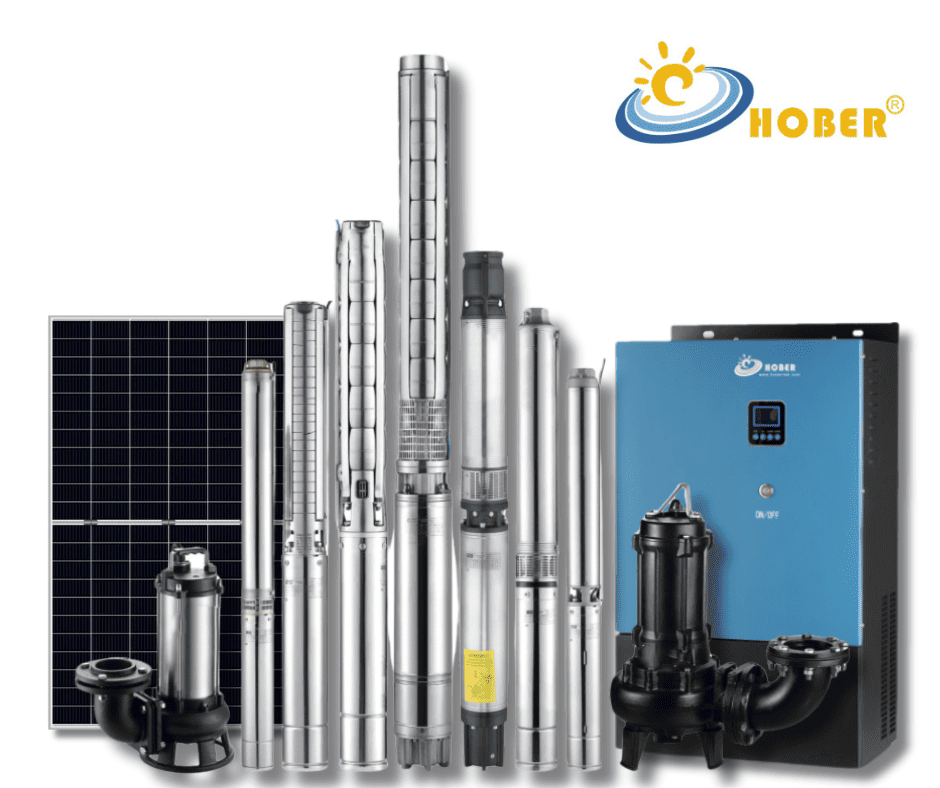
In Southeast Asia, agriculture is a battle against the elements. From the typhoon-prone fields of the Philippines to the salt-intruded orchards of Vietnam’s Mekong Delta and the remote islands of Indonesia, engineering reliability isn’t an option—it’s the foundation of every project.
The Typhoon Resilience: Why IP65 is Non-Negotiable in the Philippines
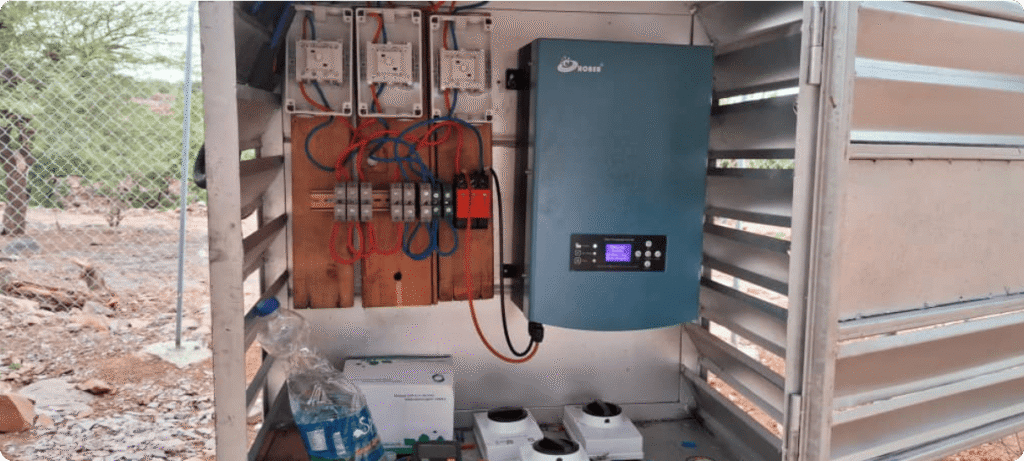
For Filipino farmers and NIA irrigation committees, the arrival of typhoon season means extreme humidity and lightning risks. Standard fan-cooled inverters with ventilation holes are magnets for moisture and insects, leading to internal short circuits and premature failure. HOBER’s IP65 fully-sealed system acts like a protective shell, ensuring that even in 95% humidity, the core electronics remain bone-dry and operational.
The Mekong Battle: Defeating Salinity Intrusion in Vietnam
In Vietnam’s Mekong Delta, farmers face a new threat: salt-intruded groundwater. High salinity in the air and water rapidly corrodes traditional aluminum heat sinks and exposed pump components. HOBER’s solution involves a “Dual Barrier” logic: Triple-Cooling tech that shields sensitive components from salty air, paired with 304/316 stainless steel pumps that thrive in corrosive environments.
Indonesia’s Distance Challenge: Overcoming 200m+ Cable Voltage Drops
Indonesia’s geography creates a unique engineering hurdle: the “Long-Cable Problem.” In many community water projects, PV panels are on hilltops while pumps are 200-300 meters away in deep wells. Without specialized compensation, voltage drops lead to motor burnout. HOBER inverters are pre-engineered to support long-cable runs, with integrated reactor options that maintain stable power delivery over absurd distances.
Ready to build a system that outlasts the elements? Contact HOBER Engineering for a site-specific survival analysis.