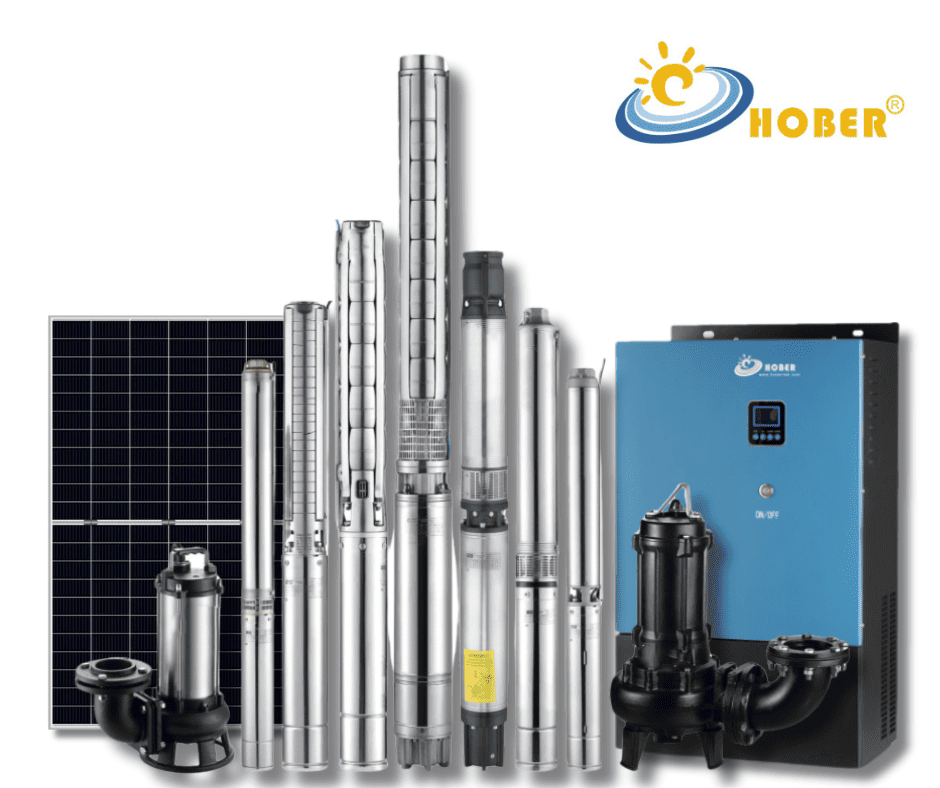
Marruecos se encuentra actualmente en un punto de inflexión crítico en su historia agrícola. Como líder mundial en la exportación de cítricos, aceitunas y hortalizas de alto valor, las principales zonas agrícolas del Reino —específicamente regiones como Agadir, Beni Mellal y Souss-Massa— se enfrentan a una doble presión: la creciente escasez de agua y la volatilidad de los precios mundiales de los combustibles fósiles. Para las explotaciones agrícolas comerciales que gestionan cientos de hectáreas, la dependencia tradicional del bombeo de agua con diésel ya no es un modelo de negocio viable. En 2026, la transición a Solarización de la bomba de CA Se ha convertido en la estrategia principal para garantizar la rentabilidad a largo plazo. Serie de gabinetes HSPH (de 75 kW a 500 kW) Está diseñado específicamente para alimentar la infraestructura a escala de megavatios necesaria para las modernas redes de riego de Marruecos, proporcionando una potencia bruta de 666 CV directamente del sol.
1. La barrera termodinámica: cómo dominar el calor del norte de África
Una de las principales razones por las que fracasan los proyectos solares a gran escala en Marruecos es la falta de gestión térmica de grado industrial. Durante los meses de mayor calor del verano, las temperaturas ambiente en el interior de Marruecos pueden superar frecuentemente los 45 °C. Para los inversores modulares estándar, este entorno activa los protocolos de "reducción de potencia térmica", donde el sistema reduce su potencia de salida hasta en 30% para proteger los módulos de potencia IGBT internos. Esta reducción en el flujo de agua ocurre precisamente cuando las tasas de evaporación de los cultivos son más altas. Hobertek resuelve esto a través de un Arquitectura industrial con triple sistema de refrigeración.
Nuestros gabinetes HSPH utilizan carcasas de aluminio de alta conductividad y un conjunto de disipadores de calor externos de gran tamaño. Al montar ventiladores industriales de alta durabilidad para soplar aire exclusivamente sobre las aletas externas, Mantenemos un sellado completo de los componentes electrónicos mientras disipamos el calor a alta velocidad. Esto garantiza una entrega de potencia nominal de 100% incluso a una temperatura ambiente de 55 °C, eliminando la necesidad de costosas y energéticamente invasivas carcasas con aire acondicionado que incrementan el presupuesto total de hardware en 30%.
2. Suministro de energía a infraestructuras a gran escala: riego por pivote central y riego por goteo de gran elevación.
Las explotaciones agrícolas comerciales marroquíes dependen de motores de CA de alta resistencia para accionar pivotes centrales y sistemas de riego por goteo de alta presión. Estos sistemas requieren un control preciso de la frecuencia y un par de arranque masivo. La serie industrial de Hober proporciona la densidad eléctrica necesaria, manejando corrientes de entrada de hasta 1130 A. Bombas sumergibles industriales 6SP Están diseñados para funcionar en perfecta sinergia con estos gabinetes, asegurando que el agua se suministre con la presión y el caudal requeridos en todo el variado terreno del reino.

3. Equilibrio energético híbrido: Garantizando la continuidad las 24 horas del día, los 7 días de la semana.
En la agricultura comercial a gran escala, el tiempo de inactividad no es una opción. Hobertek's Tecnología híbrida paralela CA/CC Proporciona una base energética a prueba de fallos. Nuestros inversores pueden aceptar entradas simultáneas de paneles solares y de la red eléctrica nacional o de un generador diésel. El sistema prioriza la energía solar gratuita; si pasan las nubes o se pone el sol, complementa de forma instantánea y automática la energía de la red para mantener la velocidad del motor. ‘'Transición sin fisuras'’ Esta tecnología protege los costosos motores industriales de las tensiones mecánicas, prolongando así la vida útil del proyecto.
4. Retorno de la inversión industrial: La lógica financiera para la agroindustria marroquí.
For a Moroccan ag-investor, the move to Hober is a calculated financial decision. With LME copper prices rising, the initial CAPEX of solar systems is being offset by the long-term elimination of diesel OPEX. A typical 250kW irrigation project in Agadir can achieve a full break-even point in as little as De 16 a 20 meses. Esto se debe a la logística de combustible cero, una reducción de 80% en las horas de trabajo de mantenimiento y una extensión estimada de 30% en la vida útil del motor de la bomba gracias a la tecnología de arranque suave y conmutación sin interrupciones.

5. Preguntas frecuentes técnicas para contratistas EPC marroquíes
P: ¿La serie de gabinetes HSPH puede manejar bombas de pozo de alto voltaje (hasta 440 V)?
R: Sí. La serie admite rangos de salida trifásica de 380 V, 400 V y 440 V, lo que la hace compatible con todas las principales marcas de bombas industriales que se utilizan actualmente en Marruecos.
P: ¿Hober proporciona documentación técnica para licitaciones gubernamentales en Marruecos?
R: Por supuesto. Proporcionamos paquetes técnicos completos que incluyen planos CAD, certificaciones IEC y modelos de retorno de la inversión (ROI) localizados y adaptados al dírham marroquí (MAD) y a los precios locales del combustible.
La era de los megavatios en el bombeo solar ha llegado. Consulte aquí con el equipo de ingeniería industrial de Hobertek para obtener un presupuesto personalizado para su proyecto en Marruecos y un análisis del retorno de la inversión.