The Nigeria Solar Revolution: A Financial and Technical Whitepaper on Diesel-to-Solar Transition for Commercial Pumping - Hober

La révolution solaire au Nigéria : Livre blanc financier et technique sur la transition du diesel à l'énergie solaire pour le pompage commercial

La révolution solaire au Nigéria : Livre blanc financier et technique sur la transition du diesel à l'énergie solaire pour le pompage commercial

Nigeria’s agricultural and industrial sectors are at a historic crossroads. The removal of long-standing fuel subsidies, combined with the devaluation of the Naira, has fundamentally altered the economics of production. For commercial farmers in the North and factory managers in the South, energy is no longer a fixed cost—it is a volatile threat to business continuity. In 2026, the transition from diesel-powered water pumping to solar energy is no longer an environmental choice; it is a financial necessity for survival. This whitepaper analyzes the Retour sur investissement (ROI) of Hobertek’s solar solutions in the Nigerian context and details the engineering required to achieve a sub-12-month break-even period.

Hober Solar Pumping System for Nigeria Agriculture
Hober systems are replacing expensive diesel generators across Nigeria’s farming belts.

1. The Diesel Trap: Analyzing the Total Cost of Ownership (TCO)

Operating a standard 7.5kW diesel-powered pump in Nigeria involves hidden costs that go far beyond the price per liter. EPCs and farm managers must account for fuel transportation risks, frequent oil changes (every 250 hours), and the rapid mechanical degradation caused by high-sulfur Nigerian fuel. Over a 5-year period, the operational expenditure (OPEX) of a diesel pump can exceed its initial purchase price by 10 to 15 times.

Hobertek HSPH Solar Pump Inverters eliminate this OPEX burden. By utilizing the ‘free’ energy of the sun, our systems provide a fixed energy cost over a 20-year lifespan. For a typical Nigerian agribusiness, the Total Cost of Ownership (TCO) of a Hober solar system is 60% lower than that of a diesel generator over just the first three years of operation.

2. The 12-Month Break-Even Model for Nigerian Farmers

The most compelling argument for Hober in the Nigerian market is the speed of capital recovery. Based on current diesel rates in Lagos and Kano, our financial modeling shows a consistent trend:

Operational MetricStandard Diesel PumpHober Solar Solution
Daily Fuel Spend (8hrs)₦8,000 – ₦12,000₦0
Monthly Maintenance₦15,000 (Filters/Oil)₦0
Annual OPEX₦3.5M – ₦4.2M< ₦50k (Cleaning)
Période de retour sur investissementInfinite Payback10 – 14 Months

By reinvesting the monthly fuel savings, Nigerian farmers can expand their irrigation acreage by 30% within the first two years of switching to Hober. This ‘Scale-up Effect’ is what is currently driving the solar revolution in the Nigerian agricultural heartland.

Hober Solar Pump Installation in Nigeria
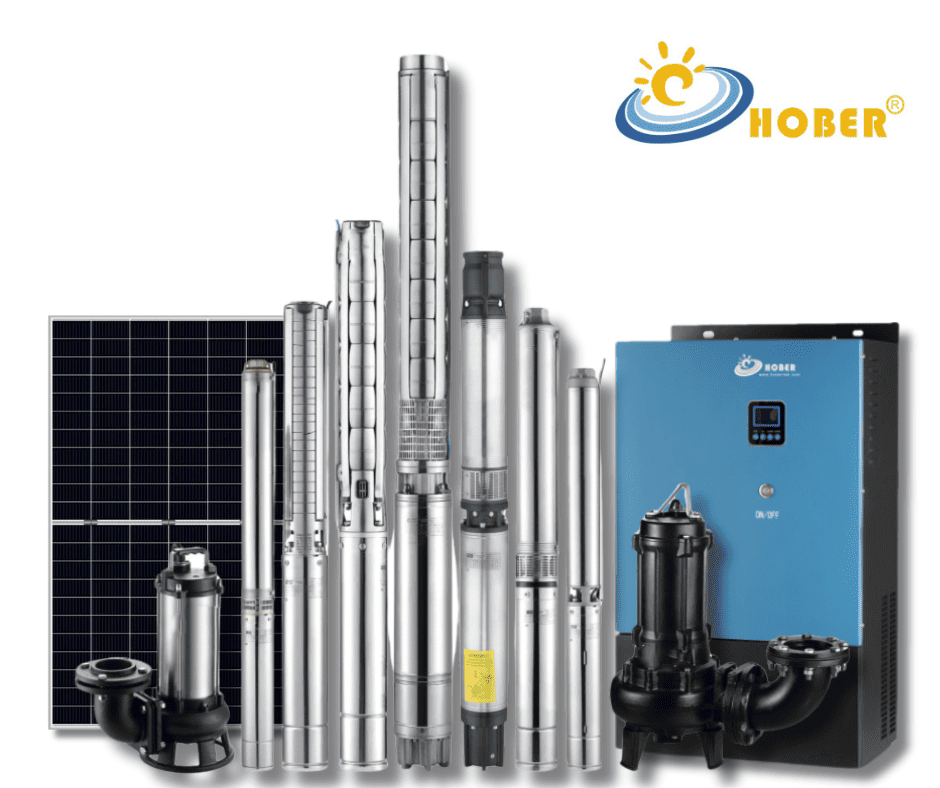
Reliable Hober WQ series pumps provide critical water supply for Nigerian communities and farms.

3. Tropical Engineering: Built for the Harmattan and Humidity

The Nigerian environment is uniquely hostile to power electronics. The North faces the dry, dust-laden Harmattan winds, while the South deals with year-round 90%+ humidity. Standard fan-cooled inverters fail in these conditions as dust clogs the vents or humidity corrodes the circuit boards. Hober’s IP65 Sealed Architecture is the only class of hardware that offers a true solution:

  • Airtight Protection: Our units are sealed against the finest Harmattan sand, preventing the short-circuits that cripple generic VFDs.
  • Natural & Forced Cooling Combination: Even in the 45°C heat of Maiduguri, Hober’s external fan and oversized aluminum heatsinks maintain safe operating temperatures without compromising the seal.
  • Hybrid Flexibility: Many Nigerian farms maintain a generator for emergencies. Hober’s AC/DC Automatic Parallel Logic allows the generator to supplement solar power during hazy days, ensuring constant water flow without manual switching.

4. Community Water and NGO Project Stability

NGOs and government bodies in Nigeria prioritize systems with zero recurring costs. A solar-powered community borehole using Hober hardware eliminates the need for community fuel contributions, which often lead to project abandonment when funds run dry. Hober’s Level-2 surge protection ensures these community assets survive Nigeria’s frequent lightning storms, providing water security for decades.

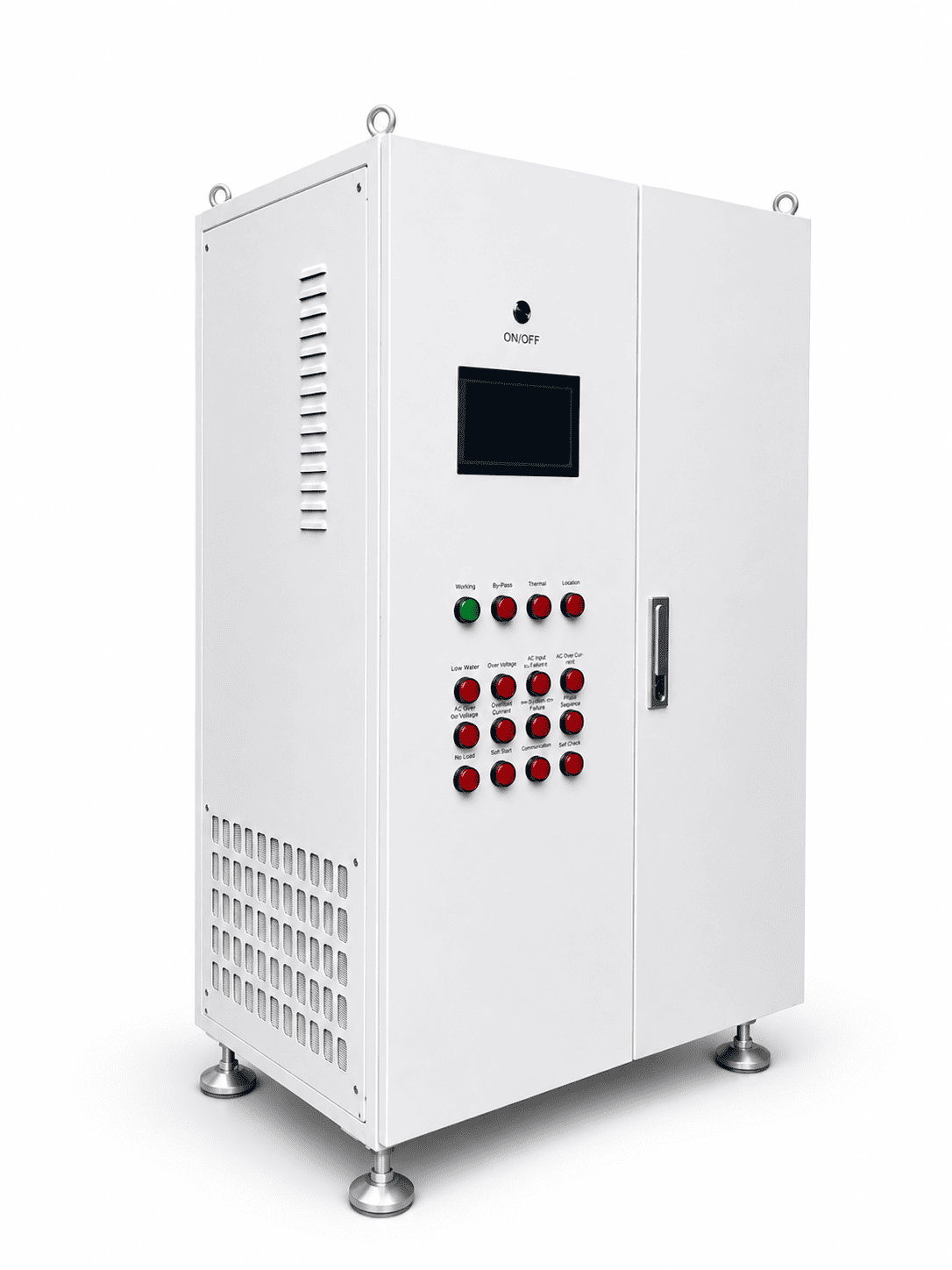
Hober Solar Control Cabinet for Nigeria
Industrial-grade control cabinets for Nigerian water infrastructure projects.

5. Taking the Next Step: Your Transition Plan

The math is undeniable. Every day spent running a diesel pump is a day of lost profit for your Nigerian enterprise. Hobertek provides full technical support for Diesel-to-Solar conversions, including custom system sizing and ROI projections. Consult with our West African technical team and secure your energy future today.

Facebook
Twitter
LinkedIn
WhatsApp
Reddit

Spécialiste des pompes solaires

Nous sommes experts dans l’industrie des pompes solaires. Si vous pensez avoir un problème, appelez-nous pour un devis gratuit et sans engagement.

Abonnez-vous à notre newsletter.

alt="Hobertek Solar AC Pump | Solar Water Pump Manufacturer"

DEMANDER UN DEVIS

*Vos informations de courrier électronique sont entièrement sécurisées et ne seront en aucun cas divulguées à des tiers pour quelque raison que ce soit.