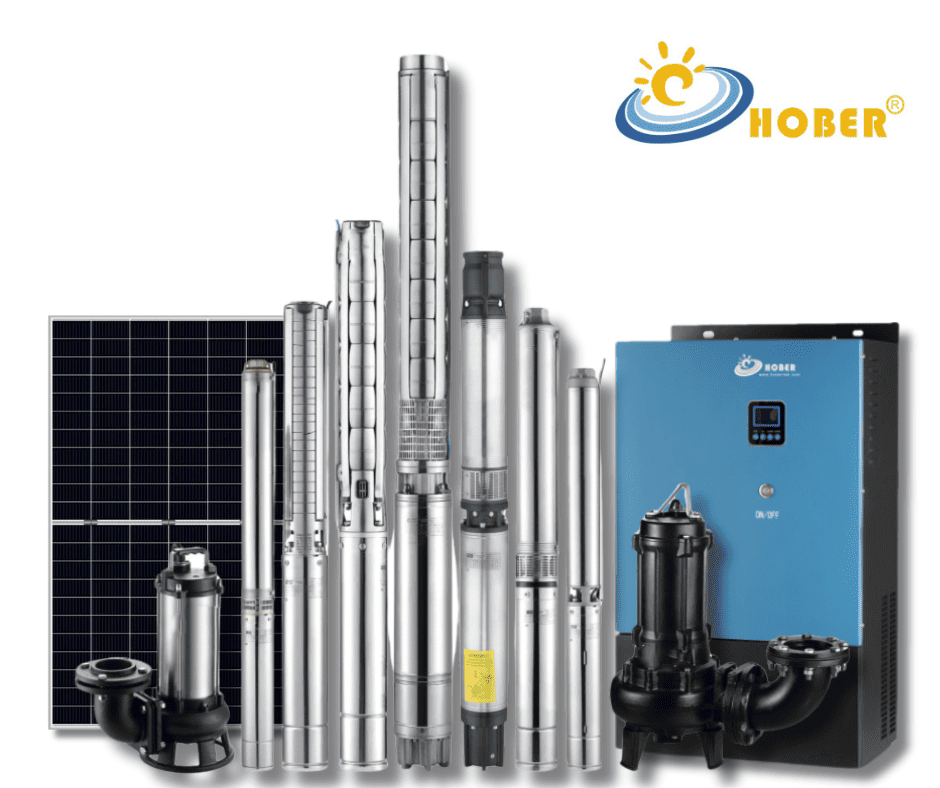
In the high-altitude mining regions of Chile and the remote agricultural plateaus of Bolivia, solar pumping systems aren’t just competing on price—they are fighting for survival. When you are operating at 3,000 to 4,000 meters above sea level, the laws of physics change. Standard inverters that work at sea level will overheat, arc, or fail within months in the Andes.
The 4,000m Trap: Altitude Derating and Creepage Distance
For EPCs in Bolivia, especially near La Paz, the biggest technical hurdle is air density. At 4,000m, the air is too thin to carry away heat effectively. Standard ventilated inverters lose up to 40% of their cooling capacity. Furthermore, lower air pressure reduces the dielectric strength of the air, meaning internal electrical gaps (creepage distances) must be wider to prevent arcing. HOBER engineering addresses this by integrating wide-clearance PCB designs and our proprietary “Power Oversizing” logic, ensuring a 7.5kW label means 7.5kW of actual lift at altitude.
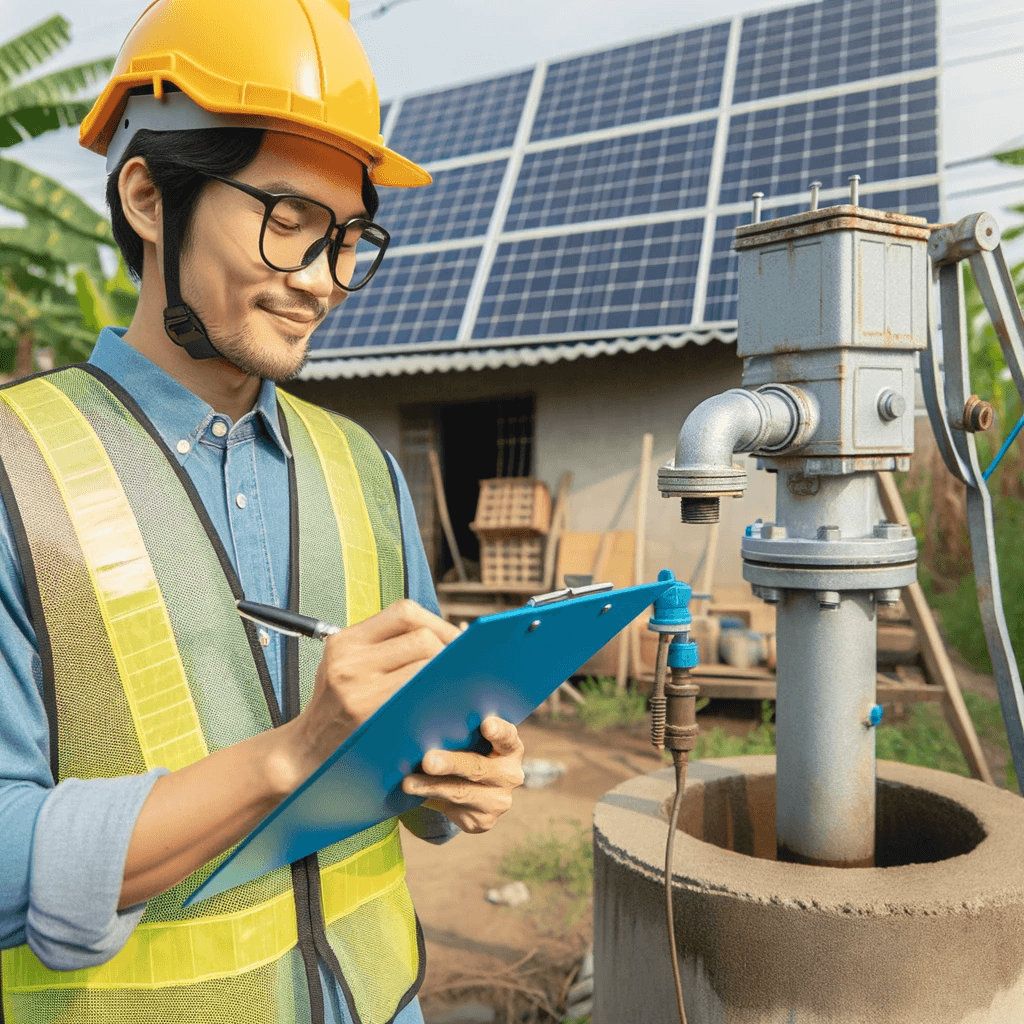
Atacama Resilience: Beating the Abrasive Mining Dust
In Chile’s Atacama Desert, the enemy isn’t just the heat—it’s the dust. Fine, abrasive sand from mining operations quickly clogs internal fans and coats internal circuits in standard inverters. HOBER’s IP65 Fully-Sealed Aluminum Enclosure eliminates the need for expensive, high-maintenance air-conditioned cabinets. Our Triple-Cooling tech conducts heat to external fins, allowing the system to run in the open air without exposing sensitive electronics to the corrosive desert dust.
The HOBER Technical Ecosystem
Achieving zero-maintenance in LATAM requires a structural understanding of Solarisation des pompes à courant alternatif. We recommend all regional partners consult our High-Altitude Technical Guide for specific derating calculations tailored to Andean conditions.

Contact HOBER Engineering for a project-specific altitude compensation analysis and 2026 technical specifications for the LATAM market.