In Kenya’s rapidly growing solar irrigation sector, from the horticulture hubs of Naivasha to the sprawling farms of the Rift Valley, borehole depths and cable distances are increasing. It is common to find projects where the solar array is located 200 meters or more from the submersible pump. This distance introduces a critical technical challenge: 电压降.
The Problem with Long Cables
When current flows through a long cable, energy is lost due to resistance. For a solar water pump system, this means the voltage arriving at the motor is significantly lower than the voltage leaving the inverter. In Kenya, this often results in:
- Motor Start Failure: The pump hums but cannot gain enough torque to lift water.
- High Heat & Efficiency Loss: Lower voltage forces higher current, overheating the motor windings and leading to premature failure.
- dv/dt Spikes: Long cables can amplify voltage peaks, damaging the motor’s insulation over time.
The Hober Solution: Advanced Compensation & Reliability
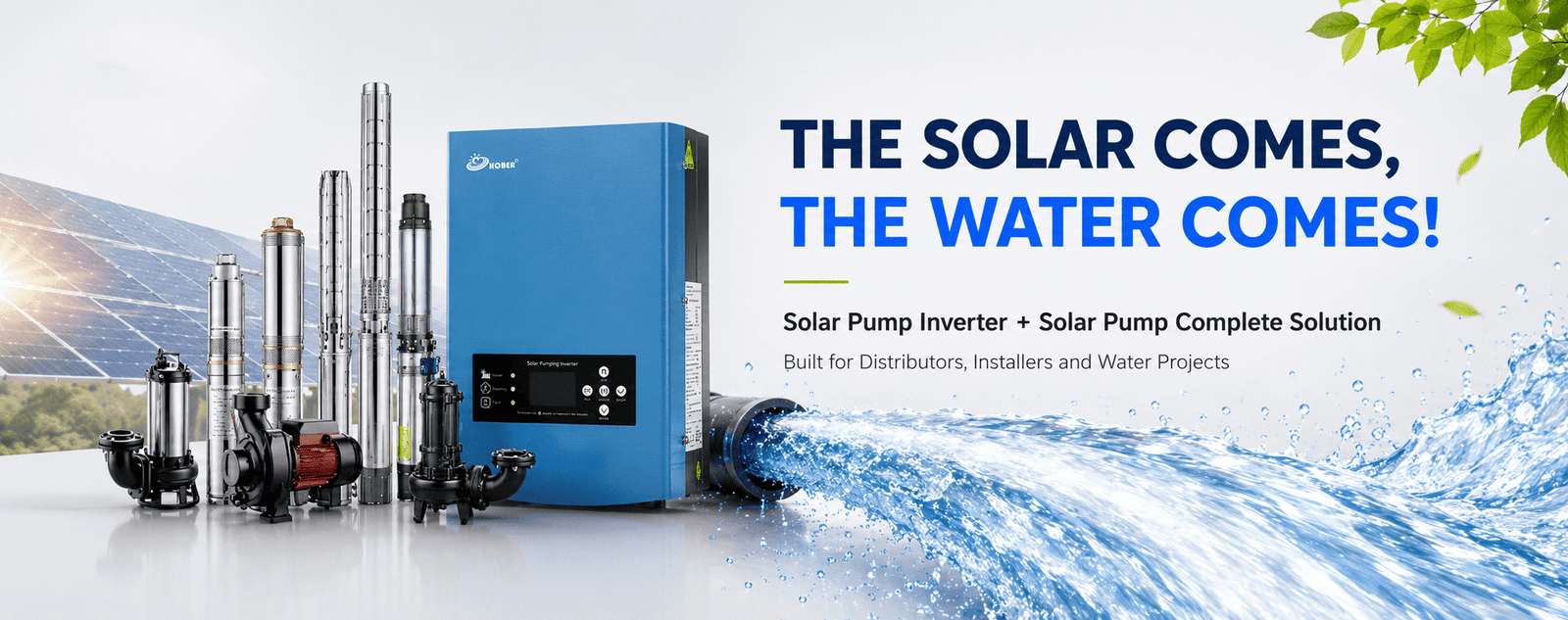
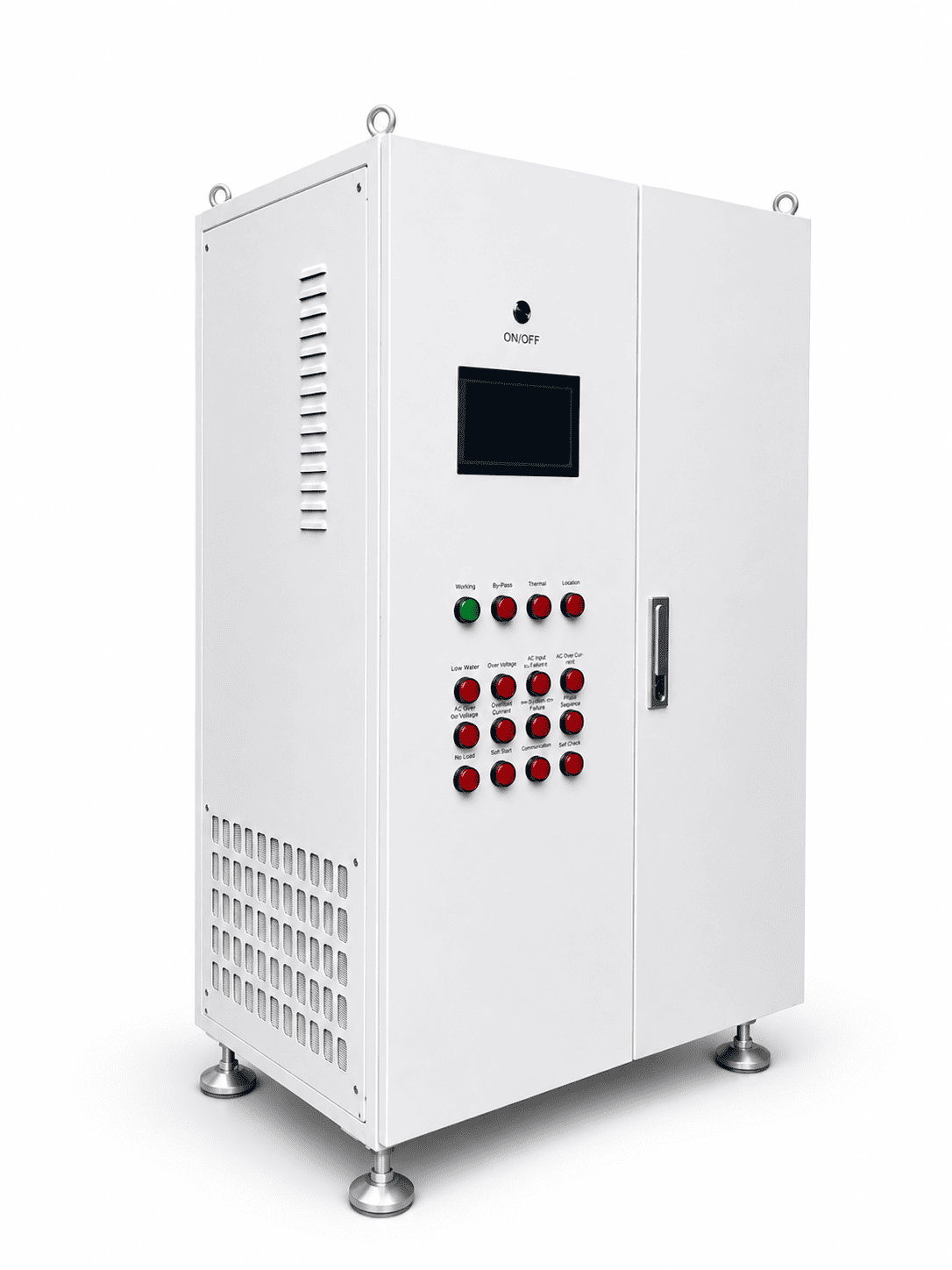
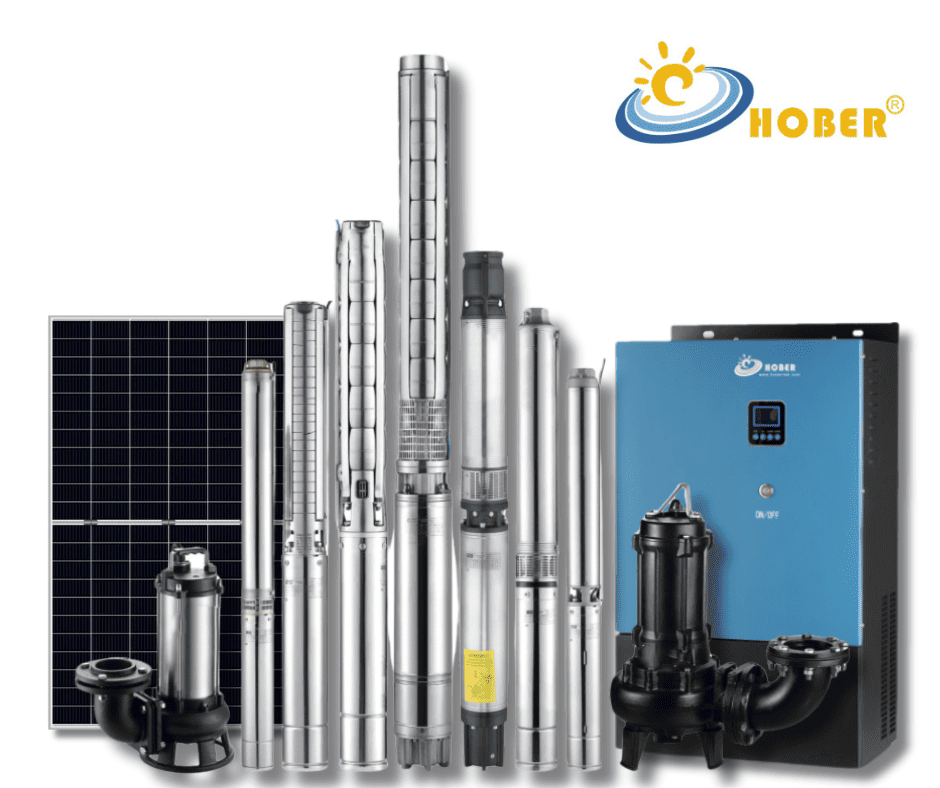
Hober’s HSPH Series Solar Pump Inverters are engineered to overcome these challenges, making them the preferred choice for Kenyan EPCs and farm owners.
1. Intelligent Voltage Boost Algorithm
Hober inverters feature a built-in compensation algorithm. The software calculates the resistance based on the cable length and automatically boosts the output voltage to ensure that the motor receives its rated power, even at distances exceeding 200m.
2. Recommended Hardware: The Output Reactor
For installations where the cable length exceeds 150 meters, Hober recommends installing an 输出电抗器. This hardware solution suppresses harmonic interference and protects the pump motor from high-voltage spikes, extending the system’s lifespan significantly.
3. IP65 Durability for Harsh Environments
From the humid shores of Lake Victoria to the dusty plains of Tsavo, our fully sealed IP65 design ensures that dust, insects, and moisture never reach the sensitive electronics. This “Install and Forget” design is critical for remote Kenyan farms where maintenance visits are expensive.
Checklist for Kenyan Installers
- Correct Cable Sizing: Always use 4-core copper cables with appropriate cross-sections for the distance.
- Minimum Frequency Setting: Set the inverter’s minimum sleep frequency to 30Hz-35Hz to prevent the pump from running at low speeds without lifting water (dry running).
- Lightning Protection: Given Kenya’s high lightning frequency, ensure a proper grounding system and external surge protection are in place.
常见问题
Q: Can Hober inverters run standard AC pumps from Grundfos or Dayliff?
A: Yes. Hober inverters are designed to drive any standard 3-phase AC motor, making them highly compatible with existing pump infrastructure in Kenya.
Q: How does the hybrid AC/DC input work?
A: Hober inverters can connect to solar panels and the grid (or a generator) simultaneously. They prioritize solar power and automatically switch to AC if the sun goes down, ensuring 24/7 irrigation capability.
View our full range of Solar Pump solutions for Africa.