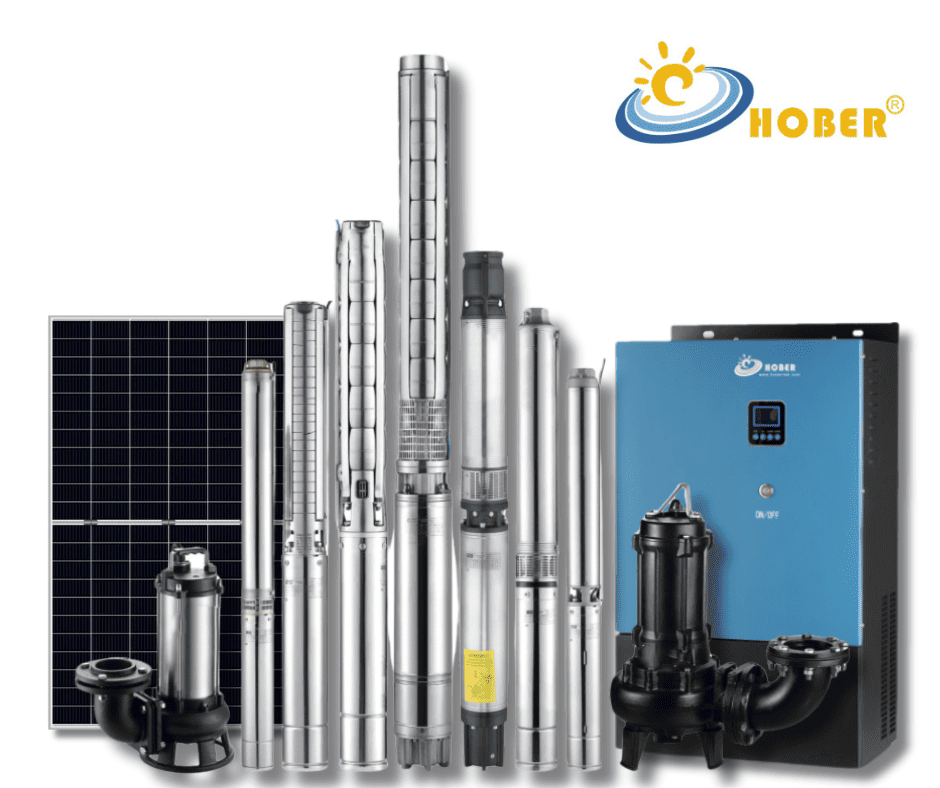
A solar pumping system is not only about choosing the right solar pump inverter, pump and solar panel configuration. For distributors, installers and project contractors, the real value of a reliable system comes from long-term stable operation, lower after-sales pressure and reduced maintenance cost.
The key to extending the service life of a solar pumping system is simple:
Proper installation environment + regular inspection + preventive replacement of key components.
This article explains how to protect the solar pump inverter, AC pump and complete solar pumping system from common long-term failures.
Why Solar Pumping System Maintenance Matters
In many irrigation, borehole water supply and rural water projects, the solar pumping system works under harsh outdoor conditions: high temperature, dust, unstable sunlight, long cable distance and continuous daily operation.
If the system is not installed or maintained correctly, common problems may appear:
- Inverter over-temperature protection
- Motor insulation failure
- Cable overheating
- Terminal arcing
- Pump dry-run damage
- Reduced water output
- Shortened inverter capacitor life
- Frequent after-sales visits
For B2B solar pump distributors and installers, these problems do not only affect one project. They directly affect customer trust, local reputation and long-term business profit.
1. Protect the Hardware: Installation Environment and Cooling Design
The installation environment has a direct impact on the service life of the solar pump inverter.
Avoid Direct Sunlight on the Inverter
The inverter should not be installed under direct sunlight for long periods. Direct sunlight increases the internal temperature of the inverter and reduces heat dissipation efficiency.
For outdoor installation, the inverter should be installed in a shaded and ventilated position. If it is installed inside an outdoor cabinet, the cabinet should have proper ventilation holes on both sides of the top area, or an additional cooling fan should be installed.
This helps prevent inverter overheating and extends the lifetime of internal electronic components.
Keep the Ambient Temperature Within a Safe Range
The recommended working temperature range is generally:
-10°C to +50°C
When the ambient temperature is above 45°C, installers should pay special attention to the inverter cooling path and cabinet exhaust airflow.
In hot regions such as Africa, the Middle East, South America and Southeast Asia, this point is especially important. Many solar pumping failures are not caused by the inverter itself, but by poor installation environment and blocked cooling channels.
Apply Derating in High-Altitude Areas
When the installation site is above 1000 meters altitude, air density becomes lower and heat dissipation becomes weaker.
In this case, the inverter should be derated properly. This means the system should not be operated too close to its maximum capacity. For high-altitude projects, selecting a slightly larger inverter model can improve reliability and reduce thermal stress.
Use an AC Output Reactor for Long Pump Cable Distance
If the distance between the solar pump inverter and the water pump is longer than 100 meters, an AC output reactor is recommended.
Long motor cables may create distributed capacitance and resonance, which can damage motor insulation and increase inverter overcurrent risk.
For borehole pump projects, this issue is very common because the pump is installed deep underground and the cable distance may be much longer than expected.
A properly selected AC output reactor helps:
- Protect motor insulation
- Reduce voltage spike risk
- Improve system stability
- Reduce inverter overcurrent alarms
- Extend pump motor service life
2. Monthly Preventive Inspection Checklist
A simple monthly inspection can prevent many failures before they become serious.
For installers and distributors, this checklist can also be used as a basic after-sales service standard for local customers.
Clean Dust from the Inverter Surface and Cooling Path
Dust accumulation affects inverter heat dissipation. In dry and dusty regions, inverter surfaces, air channels and cabinet vents should be cleaned regularly.
Blocked cooling paths may cause the inverter to trigger over-temperature protection, especially during peak sunlight hours when the system is running at high load.
Clean the Solar Panel Surface
Solar panels should also be inspected and cleaned regularly.
Dirt, dust, bird droppings and leaves can reduce PV power generation. Lower PV input power may cause unstable pump operation, lower water output or frequent start-stop behavior.
For solar pumping projects, clean panels mean more stable power and better daily water yield.
Check the Cooling Fan
The cooling fan is one of the most important parts for inverter thermal management.
Installers should check whether the fan runs normally. If the fan is damaged or blocked, the inverter may show over-temperature protection, such as inverter over-temperature alarm.
A failed fan should be replaced quickly to avoid long-term heat damage to the inverter.
Inspect Electrical Connections
Loose or overheated electrical connections are a major risk in solar pumping systems.
During monthly inspection, check:
- PV input connectors
- Inverter output terminals
- Pump cable connections
- Grounding connection
- Cable joints
- Terminal blocks
Special attention should be given to signs of arcing, burning marks, discoloration or abnormal smell.
Terminal arcing is dangerous because it can gradually damage the connection point, increase heat and finally lead to inverter or motor failure.
Check Cable Temperature
Cable overheating usually means one of the following problems:
- Cable size is too small
- Cable distance is too long
- Connection is loose
- Current is higher than expected
- Cable quality is poor
If cable overheating is found, installers should review the cable size and connection quality. In some cases, a larger cable diameter is needed to reduce power loss and improve safety.
3. Capacitor Health Management: The Key Lifetime Point Inside the Inverter
Inside a solar pump inverter, capacitors are important lifetime components. Their life is strongly affected by heat, storage time and operating environment.
Inspect Capacitors Every Year
The internal capacitors should be checked annually where service conditions allow.
If any of the following signs are found, the capacitor should be replaced immediately:
- Liquid leakage
- Bulging
- Deformation
- Abnormal smell
- Burn marks
A damaged capacitor can affect inverter performance and may lead to more serious internal failures.
Replace Capacitors Preventively Every 5 Years
Under normal operating conditions, the typical preventive replacement period for capacitors is around 5 years.
For harsh environments with high temperature, heavy dust or continuous operation, the replacement period may need to be shorter.
For distributors and large project contractors, this can be included in the long-term maintenance plan for solar pumping projects.
Power On Stored Inverters Regularly
If an inverter is stored for a long time without operation, the capacitor life may be reduced.
For long-term stored equipment, it is recommended to power on the inverter every 2 years for at least 5 hours.
This helps maintain capacitor condition and reduce the risk of failure when the inverter is put back into service.
4. Motor Insulation Monitoring for Pump Protection
Pump motor damage is often gradual. Before the pump fails completely, there may already be insulation degradation.
This is why motor insulation testing is important, especially for borehole pump and deep well pump projects.
Test Motor Insulation Before First Use
Before the pump is used for the first time, or before restarting after long-term storage, installers should measure motor insulation resistance with an insulation resistance meter.
The normal insulation resistance value should generally be above:
50 MΩ
If the insulation value is too low, the pump should not be connected directly to the inverter. Otherwise, the inverter may be damaged due to motor insulation failure.
Test Again After Cable Extension
For new pump installation, insulation should not be tested only once.
A better procedure is:
- Test the motor insulation before cable extension
- Test again after connecting the extension cable
- Test once more after lowering the pump into the borehole and before connecting the inverter
This step-by-step inspection helps identify whether the problem comes from the motor, cable joint, extension cable or installation process.
For borehole installers, this is a very practical method to avoid unnecessary inverter damage and difficult after-sales disputes.
Practical Maintenance Plan for Installers and Distributors
For B2B solar pump dealers, installers and irrigation contractors, the following maintenance plan is easier to apply in real projects.
Monthly Inspection
Check inverter surface, cooling path, fan, cable temperature, connectors, terminal blocks and solar panel cleanliness.
Annual Inspection
Check internal components where possible, especially capacitors, terminal condition, fan condition and cable aging.
Every 5 Years
Plan preventive capacitor replacement for systems operating in normal environments. For harsh environments, shorten the inspection and replacement interval.
Before Each New Pump Installation
Measure motor insulation before cable extension, after cable extension and before inverter connection.
For Long Cable Projects
If the pump cable distance is over 100 meters, evaluate and install an AC output reactor to protect the motor and inverter.
Common Mistakes That Shorten Solar Pumping System Life
Many system failures are caused by installation mistakes rather than product defects.
Common mistakes include:
- Installing the inverter under direct sunlight
- Using a sealed outdoor cabinet without ventilation
- Ignoring high temperature derating
- Using undersized cables
- Ignoring cable distance over 100 meters
- Not checking terminal arcing marks
- Not cleaning solar panels
- Not checking the cooling fan
- Connecting a pump without testing motor insulation
- Storing inverters for years without powering them on
Avoiding these mistakes can greatly reduce after-sales risk.
Conclusion
A long-life solar pumping system depends on more than product selection. It requires correct installation, good cooling, regular inspection and preventive maintenance.
For solar pump distributors, pump installers and irrigation project contractors, these maintenance actions help improve system reliability and protect local business reputation.
The two easiest actions to start with are:
Check the wiring terminals for arcing marks and clean the inverter cooling path.
These two simple steps can prevent many common failures and help the solar pumping system operate more reliably over the long term.
FAQ
How often should a solar pump inverter be inspected?
A basic inspection should be done once per month. The inspection should include inverter cooling path, fan condition, cable temperature, terminal connection and solar panel cleanliness.
Why should the inverter avoid direct sunlight?
Direct sunlight increases the inverter temperature and reduces cooling efficiency. Long-term high temperature can shorten the life of internal electronic components.
When should an AC output reactor be used?
If the cable distance between the inverter and pump is over 100 meters, an AC output reactor is recommended to protect motor insulation and reduce inverter overcurrent risk.
How often should inverter capacitors be replaced?
Under normal conditions, preventive capacitor replacement is usually recommended every 5 years. In high-temperature or harsh environments, the replacement period may need to be shorter.
What motor insulation value is safe before connecting the pump to the inverter?
The motor insulation resistance should generally be above 50 MΩ before connecting the pump to the inverter.
Why should solar panels be cleaned regularly?
Dust, dirt and bird droppings reduce PV power generation. This can reduce water output and cause unstable pump operation.