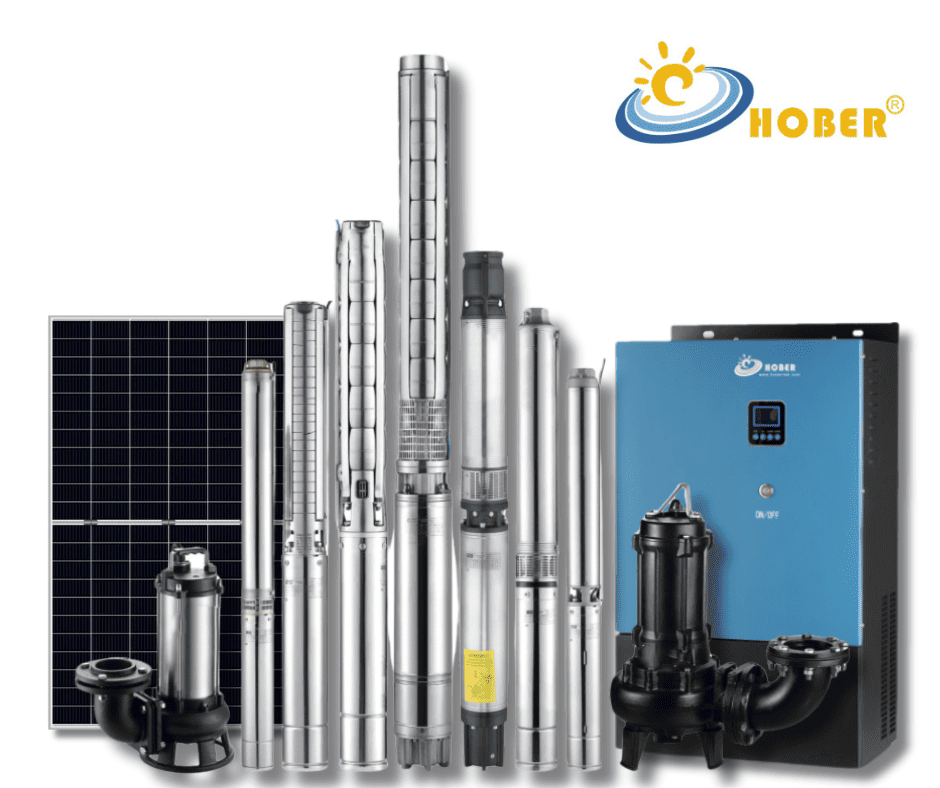
Lebanon is currently navigating one of the most complex energy transitions in the Levant region. As the national grid remains plagued by frequent outages and high tariffs, the agricultural sector—particularly the commercial hubs in the Bekaa Valley and along the coastal plains—is facing an existential threat. Traditional diesel pumping, once the standard for large-scale projects, has become financially unsustainable due to fuel logistics and costs. In 2026, the demand is clear: Energy Sovereignty. For projects scaling to megawatt levels, simple modular inverters are no longer enough. Hobertek’s HSPH Cabinet Series (75kW to 500kW) provides the industrial-grade reliability needed to ensure that when the grid goes dark, the water keeps flowing.

1. The Power Gap: Why 350MW/1GWh Tenders Demand Industrial Cabinets
With the recent announcement of large-scale solar-plus-storage initiatives in Lebanon, the industry spotlight has moved toward high-capacity power conversion. Large commercial farms utilize center-pivot and high-pressure drip systems that demand consistent, high-torque electrical delivery. A single Hober 500kW cabinet can drive an AC motor up to 666HP, providing the raw horsepower needed to pressurize irrigation networks covering hundreds of hectares. Handling a related input current of 1130A, our Industrial Solar Pumping Cabinets ensure that large motors start smoothly, preventing the mechanical shock and voltage sags common in smaller, non-specialized systems.
2. AC/DC Hybrid Parallel Logic: The Safety Net for Lebanese Farmers
The heart of Hober’s advantage in Lebanon is our proprietary Dynamic Energy Blending Algorithm. Unlike traditional change-over systems that force an ‘Either/Or’ choice between solar and the grid, Hober inverters manage both simultaneously. The system prioritizes free solar power first. If solar radiation drops due to cloud cover, or during peak evening irrigation windows, the inverter instantly draws only the necessary supplementary power from the grid or a backup generator. This zero-interruption transition is critical for protecting expensive 6SP and 8SP Submersible Pump motors, extending their asset life by up to 40% by eliminating frequent start/stop cycles.
3. Thermodynamic Engineering for the Levant
During the Mediterranean summer, temperatures in the Bekaa Valley can exceed 40°C. Standard inverters often suffer from ‘Thermal De-rating’, where water output is throttled to prevent overheating. Hobertek’s IP65 Triple-Cooling Architecture utilizes a high-conductivity aluminum alloy enclosure and massive external heatsinks. By mounting high-durability external fans to blow air exclusively over the fins, we maintain 100% rated power even at 55°C ambient. This ‘Submarine Seal’ ensures that internal circuits are never exposed to the dust and humidity of the Lebanese landscape, reducing maintenance man-hours by 90%.
4. Calculating the ROI: 7-Day Price Lock in a Volatile Market
With LME copper prices currently high ($14,157.50/T), Hobertek offers Lebanese EPCs a 7-Day Price Lock Policy for large-scale tenders. By eliminating the perpetual OPEX of diesel fuel and reducing grid reliance during high-tariff periods, a typical 250kW Hober project in Lebanon achieves a full break-even point in just 16 to 22 months. This financial stability is the foundation of agricultural reinvestment for Lebanese farmers.

5. Remote Oversight: SPMCS Cloud Integration
Managing large-scale irrigation requires data-driven oversight. Every Hober industrial cabinet features a 7-inch HD LCD display and full cloud integration via 4G or WiFi. Through the Hober SPMCS Cloud Platform, project managers in Beirut can monitor reservoir levels and energy mix in real-time, ensuring total operational transparency.
Secure your energy future. Consult with Hobertek’s technical engineering team for a customized Lebanon project quote and ROI analysis here.