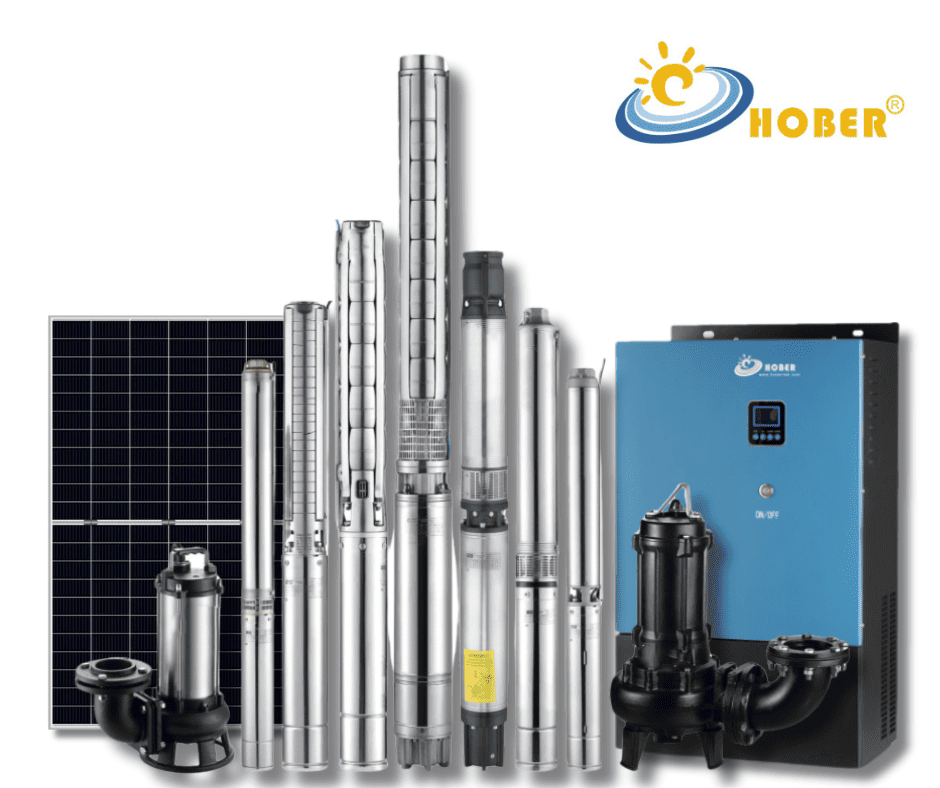
Low water output is one of the most common issues in solar water pump systems. In many cases, the pump or inverter is not damaged. The problem usually comes from incorrect installation, insufficient solar power, wrong pump matching, pipe problems, water source shortage, or improper inverter settings.
For solar pump installers, pump distributors, irrigation contractors, and water project contractors, understanding the root cause can reduce after-sales pressure and help restore normal water supply faster.
This guide explains 10 common reasons for low water output, no water, or unstable flow in solar pumping systems, together with practical solutions.
Quick Summary: Why Does a Solar Water Pump Have Low Water Output?
A solar water pump may have low water output because of wrong pump rotation, improper MPPT settings, insufficient PV power, dry suction pipe, air leakage, pipe size mismatch, blocked inlet pipe, excessive head, insufficient water source, or worn impeller.
The correct troubleshooting method is to check the system step by step instead of replacing the pump or inverter immediately.
1. Pump Running in Reverse Direction
Cause
For three-phase AC pumps, the motor may rotate in the wrong direction if the phase sequence is incorrect. When the pump runs in reverse, the impeller cannot push water correctly. This may cause low water output, unstable flow, or almost no water.
Solution
Turn off the power first.
Then swap any two of the three cables connected to the inverter AC output terminals:
U / V / W
After changing the phase sequence, restart the system and check whether the pump rotation direction is correct.
This is one of the first checks for new solar pump installations using three-phase AC pumps.
2. Improper MPPT Tracking Settings
Cause
The solar pump inverter uses MPPT control to track the maximum power from the solar panels. If the MPPT parameters are not set correctly, especially in PID mode, the inverter may not use the solar power efficiently.
For example, incorrect settings such as Solar Vmp Set may reduce output efficiency and prevent the pump from reaching the required running frequency.
Solution
Set the MPPT tracking mode to:
Automatic Mode
If manual settings are required, adjust the PID and solar voltage parameters according to the actual solar panel configuration.
For most installers, automatic MPPT mode is recommended because it reduces parameter-setting mistakes and improves system stability.
3. Insufficient Solar Power
Cause
Insufficient solar power is one of the most common reasons for low water output in solar pumping systems.
When the PV input power is not enough, the solar pump inverter cannot drive the motor to its rated frequency. As a result, the pump runs slowly and produces less water.
Common causes include:
- Weak sunlight in the morning, evening, or cloudy weather
- Wrong solar panel installation angle
- Solar panels blocked by trees, buildings, poles, or dust
- Insufficient PV capacity
- Damaged solar panels
- Poor cable connection
- Damaged combiner box fuse
- Long cable distance causing high voltage loss
Solution
Check the solar array and PV input first.
Recommended actions:
- Increase the solar panel capacity if the PV power is not enough
- Clean dust or dirt from the panels
- Remove shading from trees, buildings, or other objects
- Optimize the solar panel installation angle
- Replace damaged solar panels
- Check cable terminals and connector quality
- Replace damaged fuses in the combiner box
- Reduce cable loss by using proper cable size
For solar pumping projects, PV sizing should not only be based on pump power. It should also consider local sunlight conditions, working hours, head, flow rate, cable distance, and application requirements.
4. No Water in the Suction Pipe of a Self-Priming Pump
Cause
For surface pumps, including vertical and horizontal self-priming pumps, the suction pipe and impeller must be filled with water before startup.
If the inlet pipe and impeller are dry, the pump cannot create proper suction. This may cause no water output or unstable flow.
Solution
Prime the pump before startup.
Open the filling port and fill the pump chamber and suction pipe with water. Remove air from the pipe until the pipe is full of water and properly sealed.
If air remains inside the suction pipe, the pump may fail to draw water.
5. Air Leakage in the Inlet Pipe
Cause
For self-priming pumps, air leakage in the suction pipe can seriously affect water output.
Even if the pump is working, poor sealing at pipe joints, elbows, valves, or connectors may allow air to enter the suction line. This reduces suction performance and causes low flow.
Solution
Inspect the full suction pipe system.
Check:
- Pipe joints
- Elbows
- Foot valve connection
- Sealing tape
- Flanges
- Threaded connections
- Cracks or loose pipe sections
Repair or replace the leaking parts.
For surface pump systems, airtight suction piping is critical for stable water output.
6. Pipe Size Mismatch
Cause
If the water pipe diameter does not match the pump inlet and outlet size, serious flow loss may occur.
For example, if the pump outlet is 2 inches but the installed pipe is only 1.5 inches, friction loss will increase and water output will decrease.
Solution
Use pipes with the same diameter as the pump inlet and outlet.
If the project requires a higher flow rate, choose a larger-flow pump and match it with the correct pipe diameter.
Pipe sizing should be confirmed during system design. A correctly selected inverter and pump can still perform poorly if the pipe size is wrong.
7. Blocked Inlet Pipe
Cause
Mud, sand, stones, leaves, or other debris may be sucked into the foot valve, inlet pipe, or impeller. This can block the water path and reduce flow.
This problem is common in applications using:
- Rivers
- Ponds
- Canals
- Open wells
- Dirty water sources
- Irrigation reservoirs
Solution
Clean the inlet pipe, foot valve, filter, and pump impeller.
Remove mud, sand, stones, or other foreign matter.
For open water sources, it is better to install a filter, intake screen, or small settling structure before the suction point. This helps reduce blockage and protects the pump.
8. Excessive Head or Excessive Suction Lift
Cause
If the actual required head is higher than the rated head of the pump, the pump will not deliver the expected water flow.
The actual total head may include:
- Vertical lift
- Pipe distance
- Pipe friction loss
- Elbows
- Valves
- Pressure requirement
- Tank height
- Irrigation system pressure
For self-priming surface pumps, suction lift is also very important. If the vertical height from the water surface to the pump impeller is too high, the pump may produce low water output or fail to pump water.
In many practical installations, suction lift above 4 meters can already create performance problems.
Solution
Recalculate the actual total head before judging the pump performance.
If the required head is higher than the pump rating, use a higher-head pump.
For self-priming pumps, reduce the installation height or install the pump closer to the water source to reduce suction lift.
Wrong head calculation is one of the main reasons for poor solar pump performance.
9. Insufficient Water Source
Cause
For borehole and deep well applications, the water source itself may be insufficient.
If the underground water level drops or the well does not have enough water, the pump may produce low output, intermittent water flow, or dry-run protection alarms.
This is not an inverter problem. It is a water source problem.
Solution
Check the actual well water level and well yield.
Possible solutions include:
- Increase the well depth
- Reduce the pump flow rate
- Wait for the water source to recover
- Use dry-run protection
- Match the pump capacity according to the real well yield
For borehole projects, selecting a larger pump does not solve the problem if the well cannot supply enough water.
10. Severely Worn Pump Impeller
Cause
Long-term operation, sand, debris, or poor water quality may wear the pump impeller.
When the impeller is seriously worn, the hydraulic performance of the pump decreases. The pump may still run, but the water output becomes much lower than before.
Solution
Inspect the pump impeller and internal hydraulic parts.
If the impeller is worn, replace it with a new one.
For water sources with sand or impurities, use proper inlet protection and select the right pump type to reduce long-term wear.
Solar Pump Troubleshooting Checklist for Installers
When a solar water pump has low water output, check the system in this order:
- Check whether the pump rotation direction is correct
- Check whether the PV input power is enough
- Check whether the inverter can reach the required frequency
- Check whether MPPT mode is set correctly
- Check whether the suction pipe is filled with water
- Check whether there is air leakage in the inlet pipe
- Check whether the pipe size matches the pump ports
- Check whether the inlet pipe or foot valve is blocked
- Check whether the actual head is higher than the pump rating
- Check whether the water source is sufficient
- Check whether the impeller is worn
This troubleshooting sequence helps installers identify whether the problem comes from the solar panels, inverter, pump, pipe system, installation design, or water source.
Why Proper Solar Pump System Matching Matters
A solar water pump system is not only a pump connected to solar panels. It is a complete system that includes:
- Solar panels
- Solar pump inverter
- AC or DC pump
- Cables
- Pipes
- Valves
- Combiner box
- Water source
- Installation structure
- Protection settings
- Application requirements
If one part is wrongly matched, the system may have low water output or unstable operation.
For distributors and installers, proper system design helps reduce after-sales cost, repeated site visits, customer complaints, and project failure risk.
HOBER Solar Pump Inverter Support for Distributors and Installers
HOBER supports B2B solar pump distributors, pump dealers, installers, and water project contractors with technical solar pumping solutions.
Our support includes:
- Solar pump inverter sizing
- Pump matching
- PV configuration
- Wiring guidance
- Parameter setting
- Installation guidance
- Troubleshooting support
- Hybrid solar pumping solution
- AC pump solar conversion solution
For existing AC pump projects, HOBER can help convert the pump into a solar pumping system by selecting the suitable solar pump inverter and PV configuration.
For new projects, HOBER can also provide complete solar pumping solutions with inverter, pump, PV configuration, and installation guidance.
FAQ: Solar Water Pump Low Water Output
Why is my solar water pump running but producing little water?
A solar water pump may run with low water output because of insufficient solar power, wrong pump rotation, blocked inlet pipe, excessive head, air leakage, incorrect MPPT settings, or worn impeller.
Can insufficient sunlight reduce solar pump water flow?
Yes. If sunlight is weak or the solar panel capacity is not enough, the inverter cannot drive the pump to its rated frequency. The pump will run slower and produce less water.
Why does my solar pump have no water output after installation?
Common reasons include reverse pump rotation, dry suction pipe, air leakage in the inlet pipe, blocked inlet pipe, excessive suction lift, or wrong pump selection.
How do I know if the pump is running in reverse?
For three-phase AC pumps, low water output after wiring may indicate reverse rotation. Turn off the power and swap any two cables on the inverter AC output terminals U/V/W, then test again.
Does pipe size affect solar pump water output?
Yes. If the pipe diameter is smaller than the pump inlet or outlet size, friction loss increases and water flow decreases. The pipe diameter should match the pump port size.
What is the best way to troubleshoot low water output?
The best method is to check the system step by step: pump rotation, PV power, inverter frequency, MPPT settings, suction pipe, air leakage, pipe size, blockage, head calculation, water source, and impeller condition.
Conclusion
Low water output in a solar water pump system does not always mean the pump or inverter is faulty. Most problems are caused by installation details, PV power shortage, pipe system issues, wrong head calculation, water source shortage, or pump wear.
By checking these 10 common causes one by one, installers and distributors can locate the problem faster and restore normal water supply more efficiently.
For B2B solar pumping projects, correct inverter sizing, PV matching, pump selection, and installation guidance are essential for long-term system reliability.
HOBER helps solar pump distributors and installers build reliable solar pumping systems with technical support from product selection to project troubleshooting.