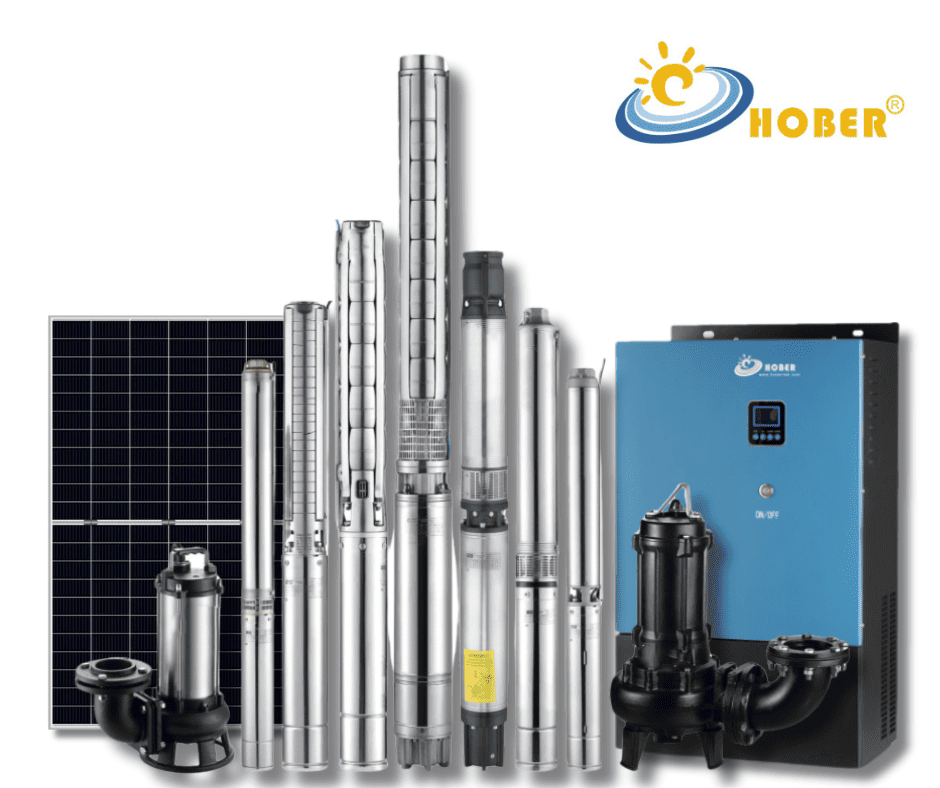
The Nigeria Solar Revolution: A Financial and Technical Whitepaper on Diesel-to-Solar Transition for Commercial Pumping
Nigeria’s agricultural and industrial sectors are at a historic crossroads. The removal of long-standing fuel subsidies, combined with the devaluation of the Naira, has fundamentally altered the economics of production. In 2026, the transition from diesel-powered water pumping to solar energy is no longer an environmental choice; it is a financial necessity for survival. This whitepaper analyzes the Return on Investment (ROI) of Hobertek’s solar solutions in the Nigerian context and details the engineering required to achieve a sub-12-month break-even period.

1. The 12-Month Break-Even Model for Nigerian Farmers
The most compelling argument for Hober in the Nigerian market is the speed of capital recovery. Based on current diesel rates in Lagos and Kano, our financial modeling shows a consistent trend: farmers can expand their irrigation acreage by 30% within the first two years of switching to Hober. This ‘Scale-up Effect’ is what is currently driving the solar revolution in the Nigerian agricultural heartland.

2. Tropical Engineering: Built for the Harmattan and Humidity
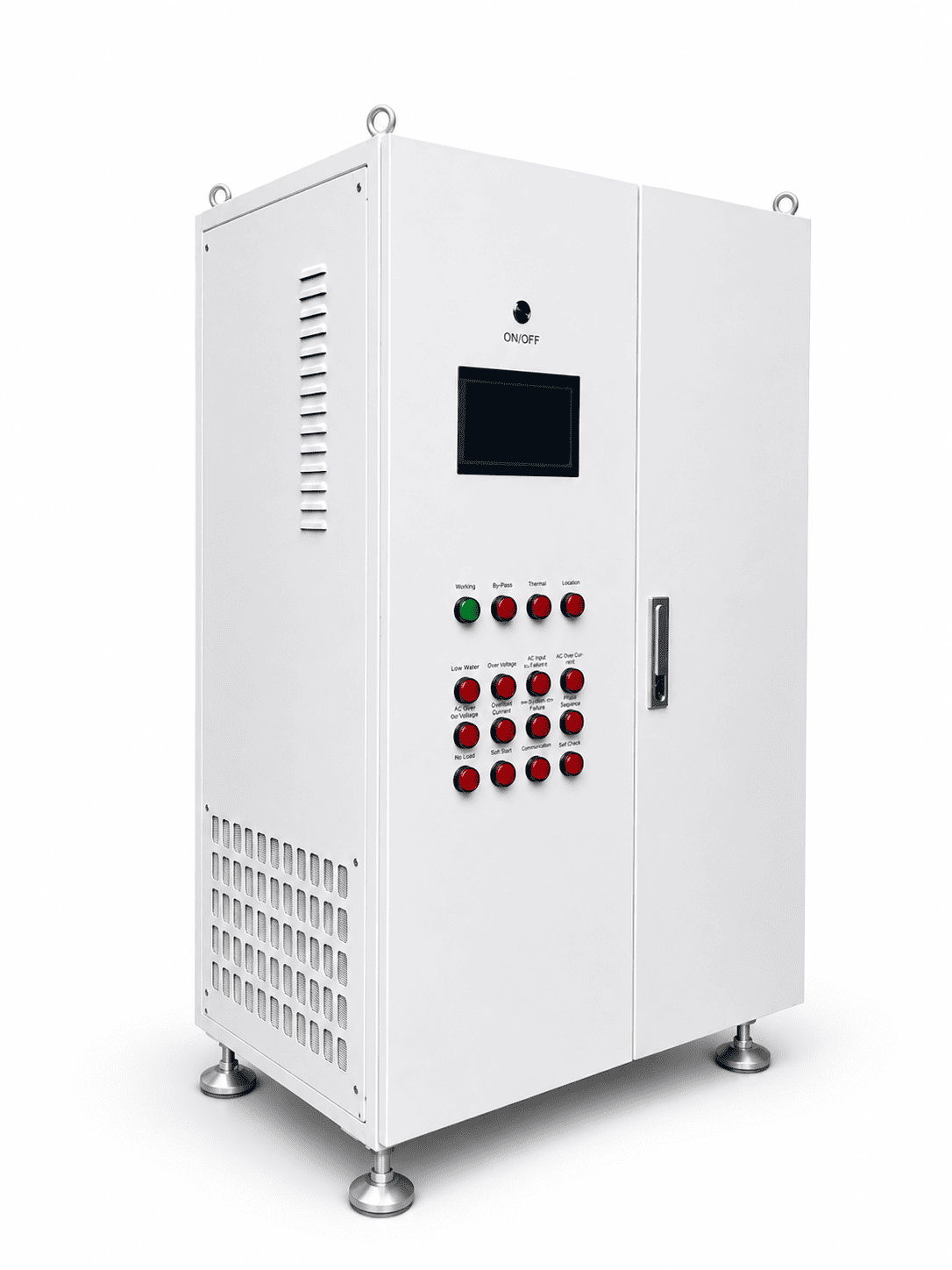
The Nigerian environment is uniquely hostile to power electronics. The North faces the dry, dust-laden Harmattan winds, while the South deals with year-round 90%+ humidity. Hober’s IP65 Sealed Architecture is the only class of hardware that offers a true solution. Our units are sealed against the finest Harmattan sand, preventing the short-circuits that cripple generic VFDs.
Stop wasting your profit on fuel. Consult Hobertek for your Diesel-to-Solar transition today.